Are caffeine pouches safe?
On this page
For a healthy adult who uses one at a time, mostly yes. A caffeine pouch is a small packet you tuck between your lip and gum, the way people use nicotine pouches, with caffeine in it instead. They hold anywhere from 3 to 200 mg, so a strong one is about two cups of coffee. The risks are the ones any caffeine has, plus three of their own. They’re easy to stack, nobody checks the label before they’re sold, and teenagers like them.
They look like nicotine pouches, so some people assume they’re just as hooking, and others assume they’re a gentler way to get caffeine than a can. Neither is quite right. Once the caffeine is in you, it’s the same caffeine as in coffee, and it lasts just as long.
What we’d do
If you want caffeine, coffee or tea comes first, and if you can, energy of your own before that (how to have more energy without caffeine).
If you use pouches, check the milligrams on the can, use one at a time, count it with your drinks, and keep them to the morning. Keep them away from kids, and don’t give them to anyone under 18.
How much caffeine is in a caffeine pouch?
It depends on the brand and even the flavor, so the label is the only guide.
| Pouch | Caffeine in one |
|---|---|
| Grinds coffee pouches | 3, 25, 50 or 100 mg, by flavor |
| Wip energy pouches | 100 or 200 mg |
| The strongest, by pediatricians’ count | up to 200 mg |
| Brewed coffee, 8 oz, for comparison | about 95 mg |
| Espresso, single shot, for comparison | about 63 mg |
Grinds says one pouch can be kept in for up to an hour. Wip told NBC News in 2025 that its pouches aren’t meant for anyone under 18.
Do they kick in faster than coffee?
The makers say yes, and pediatricians at the American Academy of Pediatrics say the effects are felt in minutes, which makes it easy to get “a sudden, large, and potentially dangerous dose”. We couldn’t find a published study that measured caffeine in the blood after a pouch.
The closest test is caffeine gum, which is also absorbed in the mouth. In a 2017 trial, 16 adults had about 50 mg of caffeine as gum one day and as instant coffee another. Caffeine from the gum peaked about 40 minutes later, the same as the coffee, and the gum gave up about 18% less of its dose.
What’s the same as coffee
Caffeine from a pouch halves at the same pace as from a cup, about every 5 hours. A 200 mg pouch at 3pm still leaves about 73 mg in you at 11pm, and a 100 mg pouch about 37. For an 11pm bedtime, a 200 mg pouch belongs before about 11am and a 100 mg one before about 4pm (when to stop, by the size of the cup).
The European Food Safety Authority found that single doses up to 200 mg raise no safety concerns for healthy adults. One strong pouch is that whole amount.
What’s different
They’re easy to stack. A pouch is small and quick to replace, and two strong ones come to 400 mg, the FDA’s figure for a whole day.
Nobody checks them first. An FDA spokesperson told NBC News that caffeine pouches are regulated “as either dietary supplements or conventional foods, depending on their composition and marketing”, and supplements usually aren’t reviewed before they’re sold.
Your gums. Robert Jackler, quoted in the same NBC report, warned that pouches may cause gum recession and other dental problems.
Teenagers can buy them. Nicotine pouches can only be sold to people 21 and older. There’s no age limit on caffeine pouches, the American Academy of Pediatrics says, and it calls avoiding caffeine “the best choice for all kids”. For ages 12 to 18, pediatricians suggest at most 100 mg a day from everything, according to a 2026 sheet from the American Academy of Child and Adolescent Psychiatry, so one strong pouch is twice a teenager’s day (caffeine for teenagers).
Who should skip them
Anyone under 18. In pregnancy the US line is under 200 mg a day, so a strong pouch is the whole day. Skip them too if caffeine makes your heart race or skip, or if you take fluvoxamine or another daily medicine without asking your doctor (caffeine and antidepressants).
If a child swallows or uses one, the American Academy of Pediatrics says to get medical help for a racing or irregular heartbeat, fast breathing or shaking they can’t control. Call Poison Control at 1-800-222-1222, and 911 for a seizure, trouble breathing or someone who can’t be woken. A pill is the other way to get caffeine without a drink, and are caffeine pills bad for you? compares the two.
When should I stop?
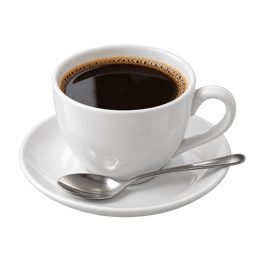
When you fall asleep at 11:00pm
83 mgA measured cost
You'll fall asleep with about a cup of coffee in you.
- Brewed coffee, 8 oz95 mg
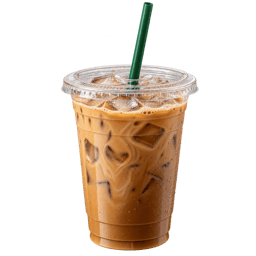 Brewed coffee, 16 oz190 mg
Your last drink, a 16 oz coffee at 3:00pm
- Under 40 mg at sleep
- by 8:10am
- Under 80 mg
- by 2:45pm
The full clock, with the band, 3am and the table by drink.
10 sources
- American Academy of Pediatrics, The effects of caffeine on kids: a parent's guide, HealthyChildren.org, updated August 11, 2025healthychildren.org
- Ducharme J, A cross between a nicotine pouch and an energy drink: what to know about caffeine pouches, NBC News, July 20, 2025nbcnews.com
- Grinds, Frequently asked questions, checked 2026-11-15getgrinds.com
- Sadek P and others, A randomized, two-way crossover study to evaluate the pharmacokinetics of caffeine delivered using caffeinated chewing gum versus a marketed caffeinated beverage in healthy adult volunteers, Journal of Caffeine Research, 2017pmc.ncbi.nlm.nih.gov
- European Food Safety Authority, Caffeine, scientific opinion of May 27, 2015efsa.europa.eu
- US Food and Drug Administration, Spilling the beans: how much caffeine is too much?, content current as of 2024-08-28fda.gov
- USDA FoodData Central, SR Legacy: brewed coffee (171890) and espresso (171891)fdc.nal.usda.gov
- American Academy of Child and Adolescent Psychiatry, Facts for Families No. 131: Caffeine and Children, April 2026aacap.org
- American College of Obstetricians and Gynecologists, Committee Opinion No. 462: Moderate caffeine consumption during pregnancy, Obstetrics and Gynecology, 2010pubmed.ncbi.nlm.nih.gov
- Poison Help, US poison centers, checked 2026-11-15poisonhelp.org