What makes yours faster or slower
On this page
Your half-life, the time your body takes to clear half the caffeine in you, is about 5 hours on average and anywhere from 1.5 to 9.5 in healthy adults. The biggest known shifts come from the estrogen pill (about 1.5 times longer), late pregnancy (about 10.5 hours), heavy smoking (about a third shorter) and a few medicines. Your caffeine genes count for less than DNA tests suggest.
What we’d do
Start from 5 hours and move it only for the things proven to change it. On the pill, move your last coffee about three hours earlier. Pregnant, keep caffeine to the morning and under 200 mg a day. Just quit smoking, cut your coffee by about a third. On fluvoxamine, ask your prescriber before you mix it with caffeine.
Then let two weeks of your own nights settle it. They’ll tell you more than a gene report.
If you remember three things
- The pill makes caffeine last about 1.5 times longer. For an 11pm bedtime, the last 8 oz coffee moves from about 4pm to about 1pm.
- Pregnancy slows it a lot. In one study the half-life went from about 3 hours in women who weren’t pregnant to 10.5 hours in the last month.
- Quitting smoking makes coffee stronger. Within about 4 to 5 days, the same cup lasts about 1.5 times as long.
Why does the same coffee hit people so differently?
One friend has an espresso after dinner and sleeps like a stone. Another has a latte at 2pm and is staring at the ceiling at midnight. The usual explanation is genes, and DNA reports will sort you into a fast or slow caffeine metabolizer based on one liver enzyme gene, CYP1A2.
Genes are part of it. But the largest changes anyone has measured come from things you can name, like a hormone pill, a pregnancy, cigarettes and a short list of medicines. In each case the change is big enough to move your cutoff by hours.
One coffee, four people
- A heavy smoker, 3.2 hours: 16 mg at 11pm
- Typical, 5 hours: 30 mg at 11pm
- On the pill, 7.3 hours: 44 mg at 11pm
- Late in pregnancy, 10.5 hours: 55 mg at 11pm
This is the same 8 oz coffee at 2pm, on four half-lives. At 11pm a heavy smoker has about 16 mg left, a typical adult about 30, a woman on the pill about 44, and a woman late in pregnancy about 55. The typical 4pm cutoff for that coffee would be about 6pm for the smoker, about 1pm on the pill and about 9am late in pregnancy.
One enzyme does most of the work
Think of a shop with one checkout. How fast the line clears depends almost entirely on how fast that one cashier works. Some things make the cashier faster and some make them slower, and the line moves at that speed whatever is in the trolleys.
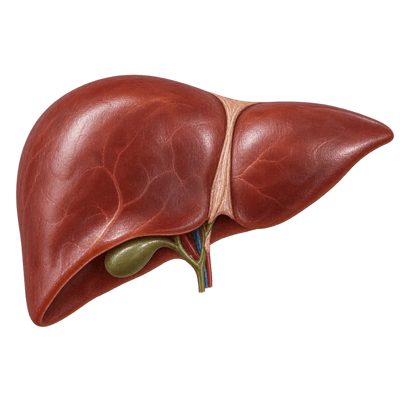
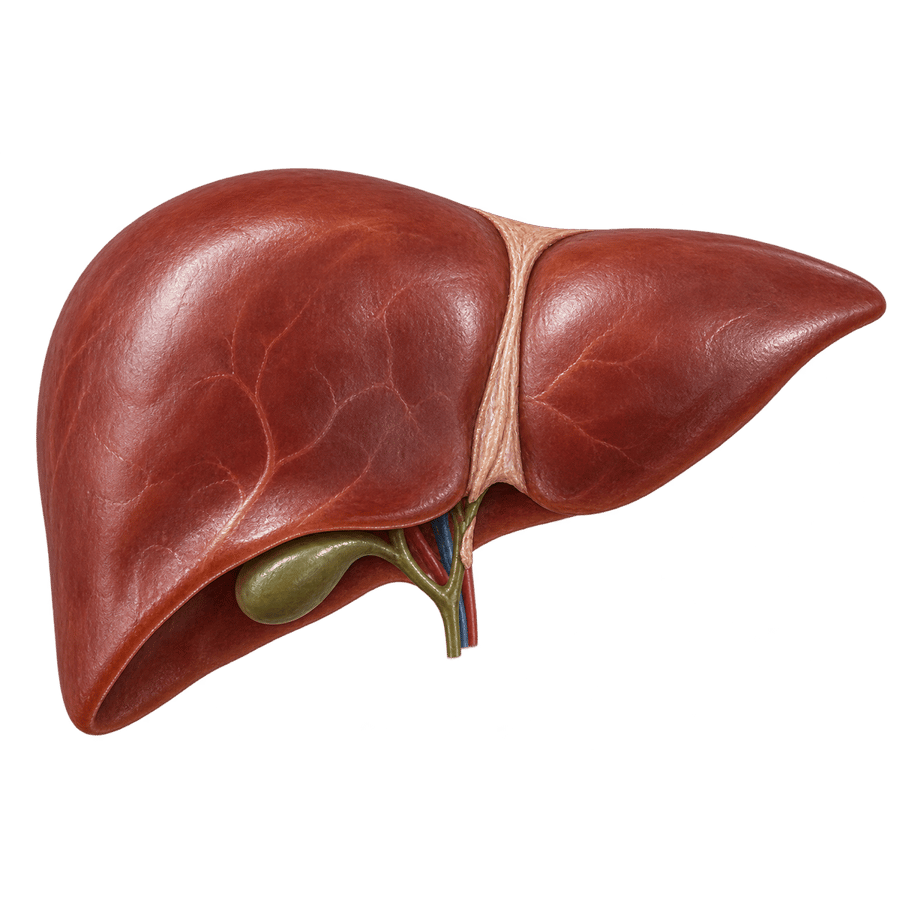
Your liver’s cashier for caffeine is an enzyme called CYP1A2. A 1996 study called it “the main enzyme” that breaks caffeine down. Cigarette smoke speeds it up. The estrogen in the pill slows it down, and so does pregnancy. One antidepressant, fluvoxamine, slows it to about a fifth of its usual speed.
The pill
In 1985 two researchers gave 162 mg of caffeine to 9 women who’d been on a low-dose estrogen pill for more than 3 months, and to 9 matched women who weren’t. Half the caffeine took 7.88 hours to clear in the women on the pill, against 5.37 hours in the others. Their bodies cleared it about 40% more slowly, and it also took longer to reach its peak, about an hour and a half against under an hour.
It was 18 women, 40 years ago, on older pills. But a 2021 analysis of 141 caffeine studies found the same pattern held across more than 50 years of research.
On a 5 hour starting point, the pill makes it about 7.3 hours. For an 11pm bedtime, the last 8 oz coffee moves to about 1pm and a single espresso to about 5:30pm. A 16 oz coffee would need about 17 hours to fall under 40 mg, so even a 6am cup doesn’t quite get there, and the 16 oz is the cup to shrink.
Pregnancy
In 1982 researchers measured caffeine in the saliva of pregnant women, new mothers, other women and men. The half-life rose from an average of about 3 hours in women who weren’t pregnant to 10.5 hours in the last 4 weeks, and the rise had already started early in pregnancy.
The same year a study in the Canadian Medical Association Journal tested 15 women at 38 to 40 weeks. They cleared caffeine at only 39% of the usual rate for adults. After a full 24 hours with no caffeine, their saliva still held 0.84 µg/mL. When four of them were retested 2 to 12 weeks after the birth, the same 24 hours left 0.07, about a twelfth as much. A third study found the half-life was back to normal as soon as 4 days after the birth.
At 10.5 hours, a 9am coffee still leaves about 40 mg at 11pm, close to what a 3pm coffee leaves for everyone else. The 200 mg a day line from ACOG comes first, and a morning cup is the one to keep. Talk with your doctor or midwife about caffeine. There’s more on how much is too much.
Smoking, and quitting
In 2004 two pharmacologists in Cologne asked 12 heavy smokers, people on 20 or more cigarettes a day, to stop all at once, then tested how fast they cleared a 148 mg dose of caffeine over the next two weeks. Their caffeine clearance fell by 36% to a new steady level. Half that change happened in the first 38.6 hours, so most of it was done within 4 to 5 days.
Turn it around and a heavy smoker’s half-life is about two thirds of what it becomes after quitting, about 3.2 hours on a 5 hour starting point. Within a week of quitting, the same coffee lasts about 1.5 times as long as it did. If coffee suddenly feels much stronger after you quit, that’s why. When you quit, cut your coffee by about a third.
Medicines
Most medicines don’t change caffeine much. The 2021 analysis of 141 studies found most substances left it alone, with three exceptions that block its clearance, the antidepressant fluvoxamine and two antibiotics, pipemidic acid and norfloxacin.
Fluvoxamine is the big one. In a 1996 Danish study, 8 healthy volunteers took 200 mg of caffeine before and during 12 days on fluvoxamine. The half-life went from 5 hours to 31 hours, and the authors warned that caffeine on fluvoxamine “may lead to caffeine intoxication”. At 31 hours, more than half of a 9am coffee would still be in you at 9am the next day. If you take it, ask your prescriber about caffeine, and don’t change the medicine on your own.
What about your genes?
The 2025 trial in Brisbane tested two caffeine genes in its 23 young men. One was the CYP1A2 variant (rs762551) that DNA reports use to call people fast or slow metabolizers, and the other an adenosine receptor gene (rs5751876). Neither gene had a clear effect on how they slept, measured by the monitor or by their own diaries. A plot of the data hinted that the slow metabolizers lost a little more sleep, but the trial wasn’t built to test genes and found no reliable difference.
Genes may still make some difference. The pill, pregnancy and smoking are proven to move your half-life by hours, and your own nights are the direct test. Your genes and caffeine has the heart, blood pressure and training studies, and what a gene test can and can’t tell you.
The things that change it
| What’s true for you | Half-life we’d use | Study |
|---|---|---|
| Typical adult | 5 hours, most people 3 to 6, full range 1.5 to 9.5 | Antonio 2024, Gardiner 2025 |
| On a low-dose estrogen pill | About 7.3 hours (1.47 times longer) | Abernethy and Todd 1985, 9 women against 9 |
| Pregnant, last month | About 10.5 hours, up to about 13 | Knutti 1982, Parsons 1982 |
| Pregnant, earlier | Somewhere from 5 to 10.5 hours, since the rise starts early | Knutti 1982 |
| Smoke 20 or more a day | About 3.2 hours (0.64 times) | Faber and Fuhr 2004, 12 smokers |
| Quit smoking this week | Back to typical within about 4 to 5 days, so the same coffee lasts about 1.5 times as long | Faber and Fuhr 2004 |
| On fluvoxamine | 5 to 31 hours in 8 people. Ask your prescriber | Jeppesen 1996 |
| Your CYP1A2 gene | No clear effect on sleep in the 2025 trial | Gardiner 2025 |
Find your own
Set your half-life on the half-life calculator and it redraws your day and moves your cutoff. Then run the two-week test from the guide: a week as you are and a week with your last cup earlier, compared on your ring, your watch or a morning note.
10 sources
- Antonio J and others, Common questions and misconceptions about caffeine supplementation: what does the scientific evidence really show?, Journal of the International Society of Sports Nutrition, 2024doi.org
- Abernethy DR, Todd EL, Impairment of caffeine clearance by chronic use of low-dose oestrogen-containing oral contraceptives, European Journal of Clinical Pharmacology, 1985pubmed.ncbi.nlm.nih.gov
- Knutti R, Rothweiler H, Schlatter C, The effect of pregnancy on the pharmacokinetics of caffeine, Archives of Toxicology Supplement, 1982pubmed.ncbi.nlm.nih.gov
- Parsons WD, Pelletier JG, Delayed elimination of caffeine by women in the last 2 weeks of pregnancy, Canadian Medical Association Journal, 1982pubmed.ncbi.nlm.nih.gov
- Brazier JL and others, Pharmacokinetics of caffeine during and after pregnancy, Developmental Pharmacology and Therapeutics, 1983pubmed.ncbi.nlm.nih.gov
- Faber MS, Fuhr U, Time response of cytochrome P450 1A2 activity on cessation of heavy smoking, Clinical Pharmacology and Therapeutics, 2004pubmed.ncbi.nlm.nih.gov
- Jeppesen U and others, A fluvoxamine-caffeine interaction study, Pharmacogenetics, 1996pubmed.ncbi.nlm.nih.gov
- Grzegorzewski J and others, Pharmacokinetics of caffeine: a systematic analysis of reported data, Frontiers in Pharmacology, 2021doi.org
- Gardiner C and others, Dose and timing effects of caffeine on subsequent sleep: a randomized clinical crossover trial, Sleep, 2025doi.org
- American College of Obstetricians and Gynecologists, Committee Opinion No. 462: Moderate caffeine consumption during pregnancy, Obstetrics and Gynecology, 2010pubmed.ncbi.nlm.nih.gov